Wooden Cutlery Model Codes & Size Chart: What SP160, FK160, KN160 and PK160 Mean
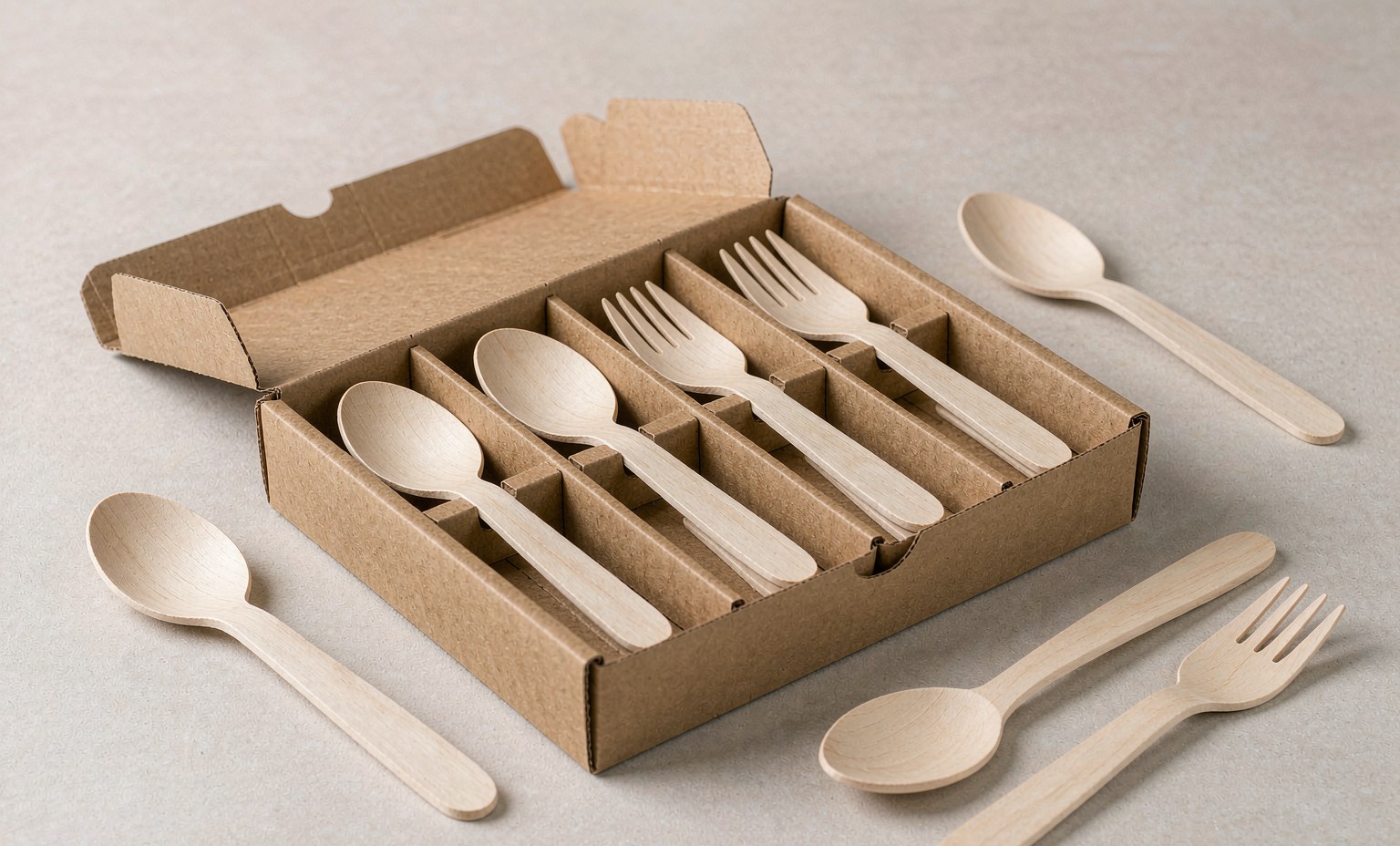
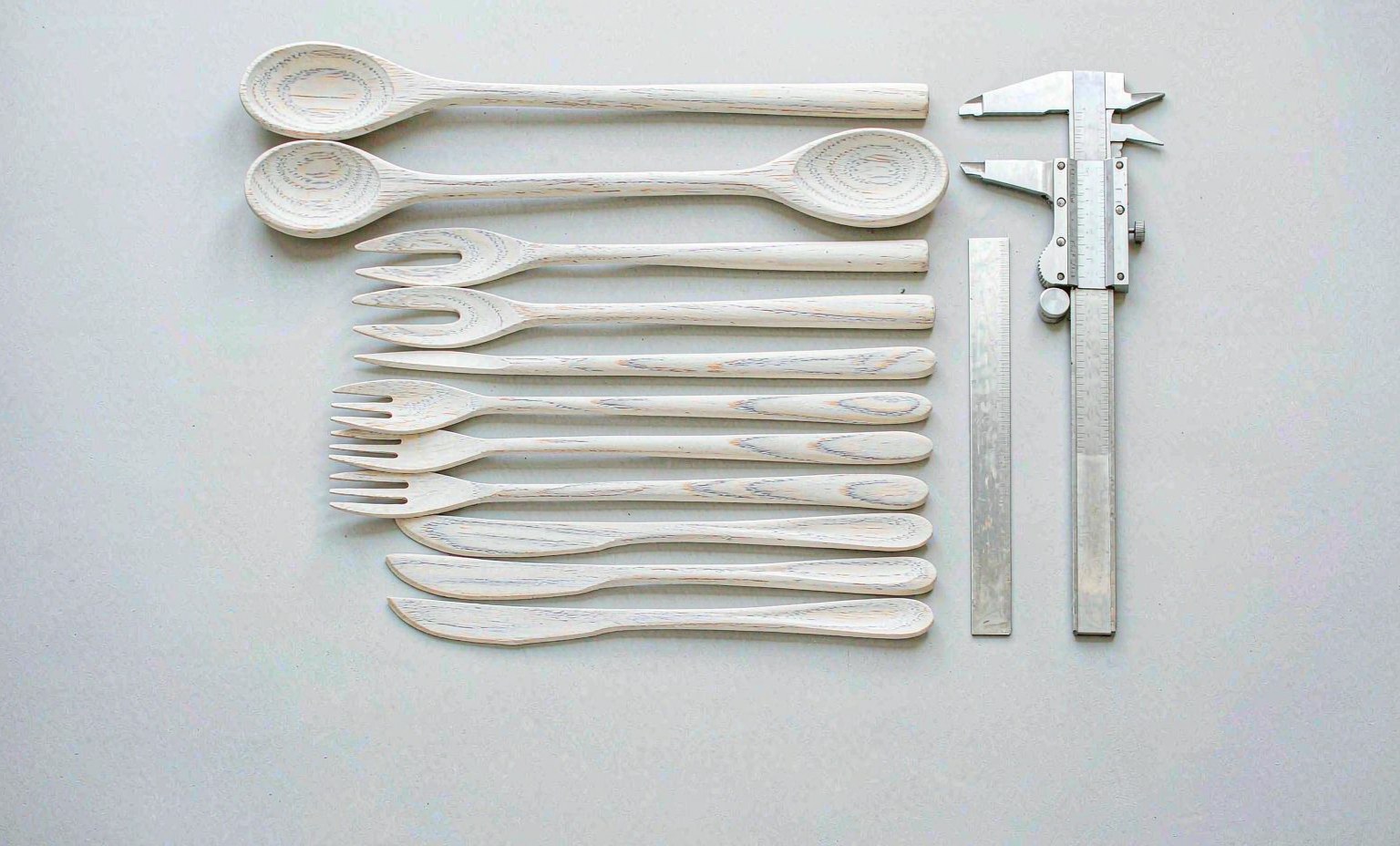
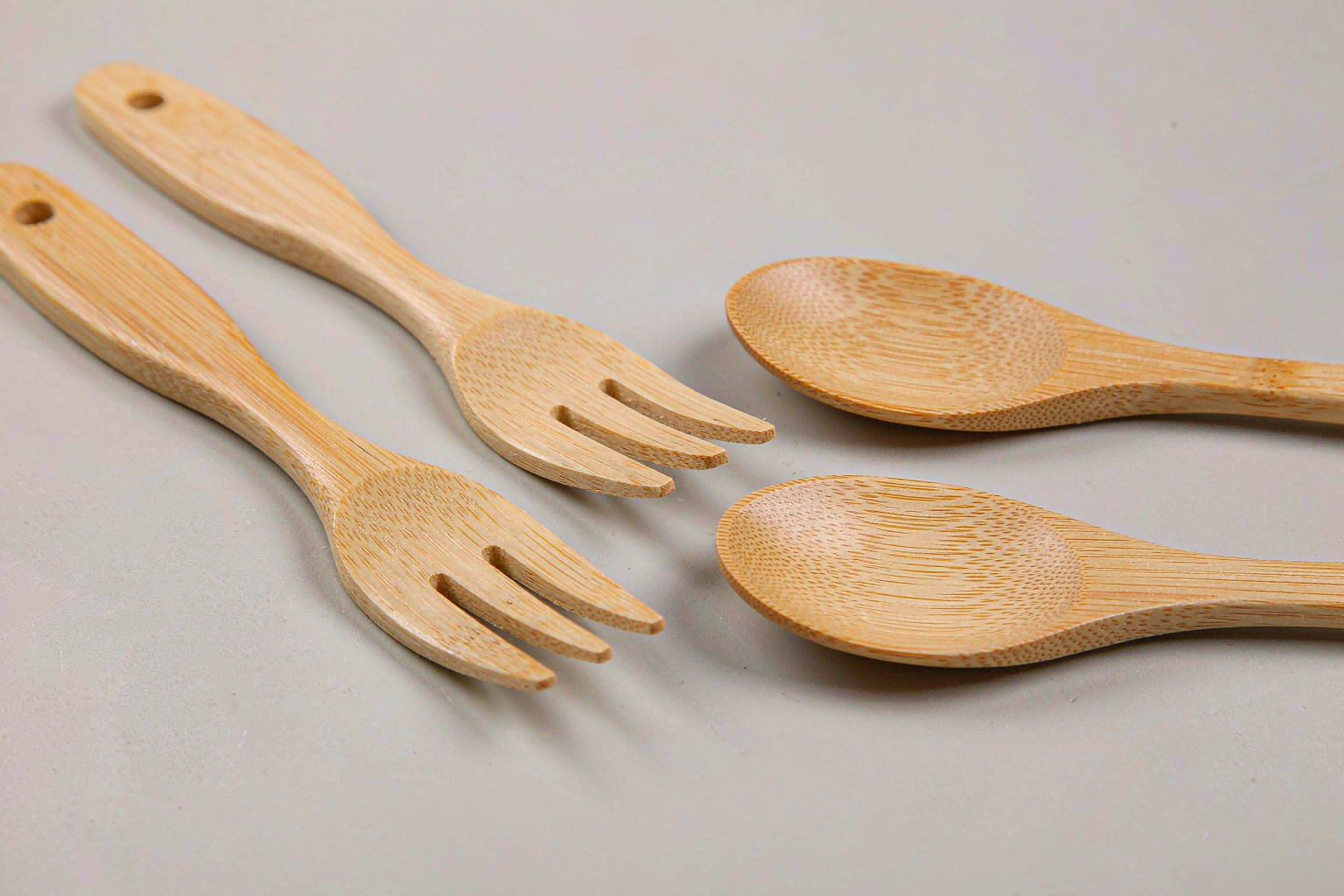
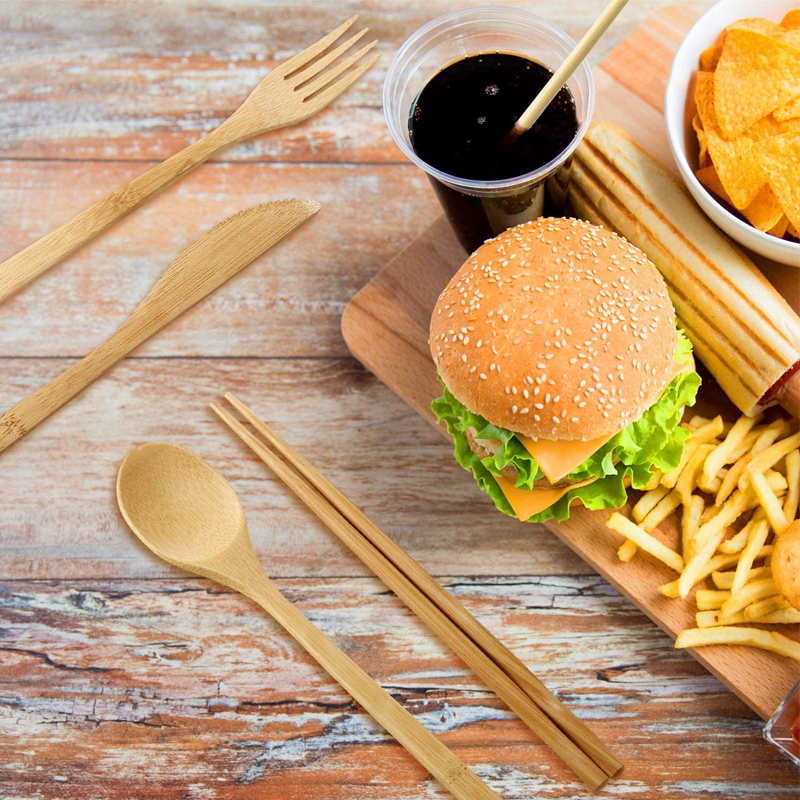
A first enquiry usually arrives as one line: "Need 160 mm wooden spoon, 200,000 pcs, best price." Reasonable sentence, impossible request. At 160 mm we have a plain dessert spoon, a deeper-bowled spoon, a heat-treated hot-food variant, and at least one suffix model whose difference is in the head, not the shaft. And FK160 is a fork, KN160 a knife, PK160 a spork — all 160 mm, all different goods.
Let us be blunt: these codes are our internal factory numbering, not an industry standard. No universal SP160 exists; another mill may use the same string for a different shape. The code's only job is to let both sides name one exact tool, mould and packing spec — which is why it belongs in the RFQ. (This page covers wooden cutlery codes; bamboo skewers and toothpicks run on a separate code set we document elsewhere.)
Four Letters, Four Decisions
The number after the letters is the nominal length in millimetres. That part is simple. What buyers miss: the letters describe four different decisions, not four sizes of one thing.
A spoon is chosen by bowl depth and what it scoops. A fork by tine count and shape. A knife by edge and stiffness. A spork is a compromise with a narrow window. Same length, four sets of constraints — which is why a "160 mm set" cannot be assembled by length alone.
SP Spoons — 70 to 210 mm
The widest family on the site, and the one most often ordered by the wrong number. Four working bands:
- 70–110 mm — ice cream, frozen dessert, tasting portions. Short shaft, small bowl; stiffness at low temperature matters more than length.
- 110–140 mm — tea, coffee, yoghurt, small sides. The café and takeaway band; SP140 is our most-asked model (see the SP140 spoon page).
- 140–165 mm — main meals, bowls, hot food. SP160 and SP165 sit here, and this is where a deep-bowl variant starts to matter.
- 185–210 mm — long-handled serving, tall cups, buffet. Check the cube: long pieces waste space and change freight per thousand.
Why -1, -2 and -3 exist
A suffix usually means a different mould, bowl profile or tine/head treatment at the same nominal length — not a duplicate page, not a "newer version". Two listings at 160 mm can be genuinely different tools. If the difference is not stated, ask for a side-profile photo and a bowl-depth measurement before you consolidate them into one PO line. Confusing SP160 with SP160-1 is one of the quietest ways to receive a container of the wrong spoon. The full range lives under our wooden cutlery category.
FK & SFK Forks
FK covers the standard fork range, roughly 80–200 mm. SFK marks shaped or speciality forks — long tines, twin points, fish-shaped, fruit forks — where the head, not the length, defines the tool. See the wooden forks category for the variants.
Two mistakes repeat:
- Ordering FK160 for a dessert that needs a fruit fork. Length is right, tine geometry wrong, and the customer notices on the first plate.
- Assuming a longer fork is stronger. Tine thickness and wood density do more for breakage than an extra 20 mm of shaft.
If you are building a wrapped kit, the fork is usually the component that decides whether the set feeds a salad, a cake or a full meal. Pick the head first, then match the spoon and knife to it.
KN Knives & PK Sporks
KN knives are specified by edge and stiffness. A knife that only spreads soft butter and one expected to cut a warm sandwich are not the same spec at identical length. State the food and temperature in the enquiry — "wooden knife 160 mm" tells the factory nothing about the edge. The options are on the wooden knife page.
PK is the spork. It exists to remove one piece from a kit, and works within limits: soft or mixed foods, short meals, controlled serving. It is a poor fork for long-tine tasks and a poor spoon for liquids. See the wooden spork page for the trade-off.
The Model-to-Length Chart
The reference table. Nominal lengths are the code numbers; inches are rounded. Always confirm the physical dimension on the approved sample — nominal and measured length differ slightly by batch and sanding.
|
Model |
Nominal mm |
inch (approx.) |
Head / distinguishing feature |
Typical use |
Common packing |
|
SP70 |
70 |
2.8 |
Very short, small bowl |
Ice cream, tasting, sample cups |
Bulk carton |
|
SP75 / SP76 |
75–76 |
3.0 |
Small bowl, short shaft |
Gelato, dessert cups |
Bulk carton |
|
SP95 |
95 |
3.7 |
Compact dessert spoon |
Yoghurt, small desserts |
Bulk or wrapped |
|
SP100 |
100 |
3.9 |
Short café spoon |
Coffee, condiments |
Bulk or wrapped |
|
SP110 |
110 |
4.3 |
Light spoon |
Tea, sides, children's portions |
Bulk or wrapped |
|
SP140 |
140 |
5.5 |
Standard bowl |
Café, takeaway, 2-in-1 kits |
Bulk, wrapped, kit |
|
SP160 |
160 |
6.3 |
Standard / deep-bowl variants |
Main meals, hot food |
Bulk, wrapped, kit |
|
SP165 |
165 |
6.5 |
Longer main-meal spoon |
Bowls, rice dishes |
Bulk or wrapped |
|
SP185 |
185 |
7.3 |
Long handle |
Tall cups, buffet |
Bulk |
|
SP200 / SP210 |
200–210 |
7.9–8.3 |
Long serving spoon |
Serving, shared dishes |
Bulk |
|
FK80–FK110 |
80–110 |
3.1–4.3 |
Short fruit / cake forks |
Dessert, fruit, canapé |
Bulk or wrapped |
|
FK140 / FK160 |
140–160 |
5.5–6.3 |
Standard tines |
Main meals, kits |
Bulk, wrapped, kit |
|
FK185–FK200 |
185–200 |
7.3–7.9 |
Long tines |
Serving, buffet |
Bulk |
|
SFK series |
varies |
varies |
Twin point, long tine, shaped head |
Fruit, appetiser, speciality |
Bulk |
|
KN160 |
160 |
6.3 |
Edge / stiffness variant |
Spread, light cutting |
Bulk or kit |
|
PK160 |
160 |
6.3 |
Spoon–fork combination |
Soft foods, reduced-piece kits |
Wrapped, kit |
Reading the chart
The mm column is a label, not a tolerance
It is a nominal family label. If your automated packing line needs a hard dimensional window, ask for the drawing with tolerances and a measured sample from the production batch — not from the sample box.
Seven Fields That Make a Quote Comparable
Put these seven lines in every RFQ and two suppliers' quotes become comparable. Leave them out and the cheapest number is simply the least specified one.
- Model code — SP160, not "wooden spoon".
- Nominal length in mm — plus the acceptable tolerance if you have a packing line.
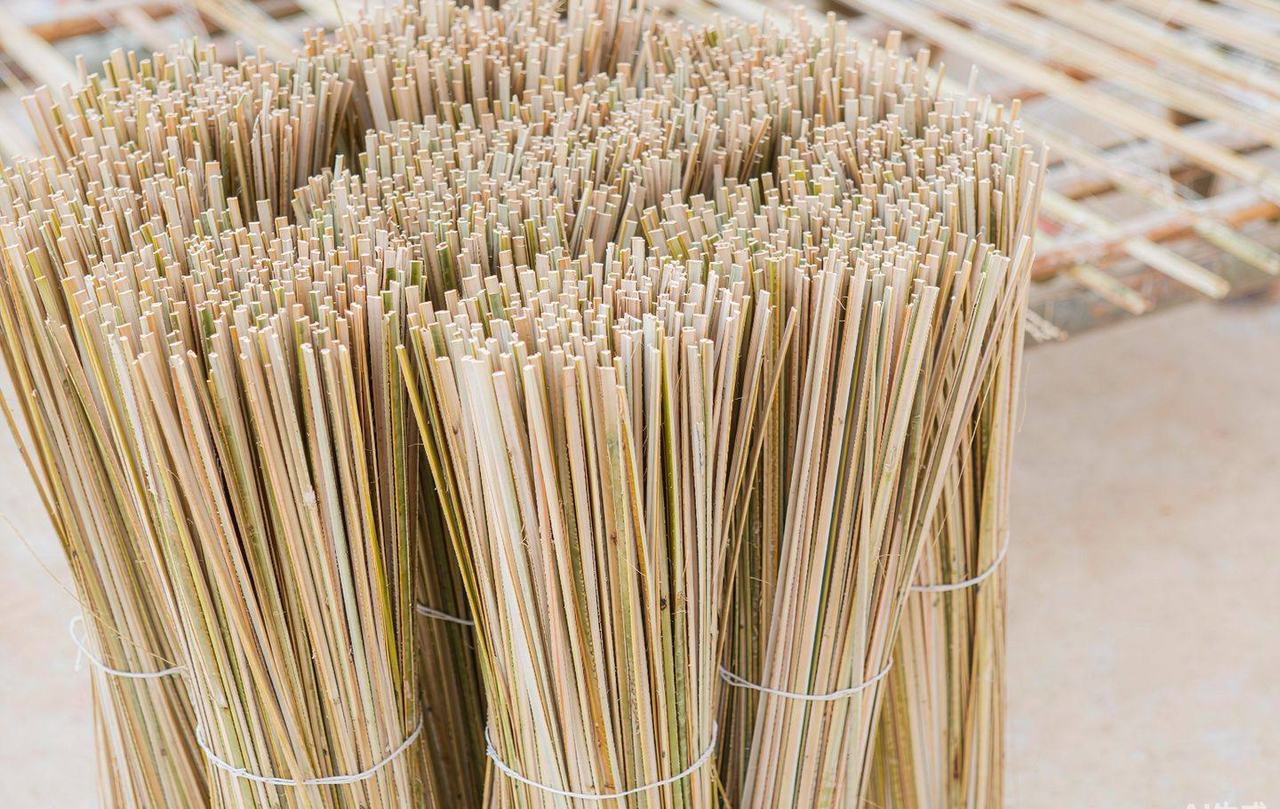
- Material — birch or bamboo, and the grade if your market requires it.
- Surface treatment — sanding, heat treatment, any coating (or explicitly none).
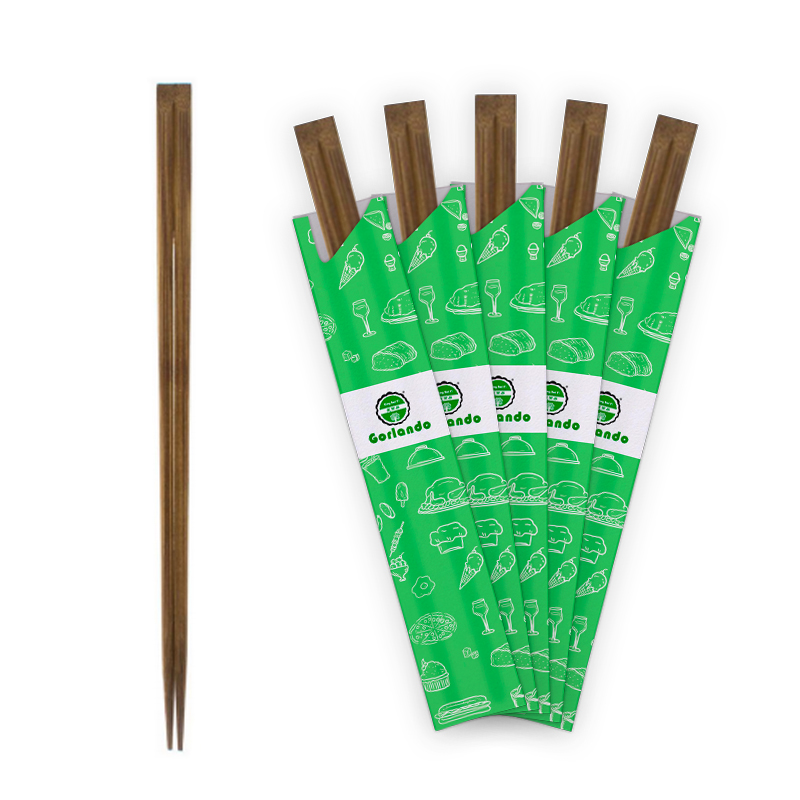
- Packing form — bulk carton, individually wrapped, or kit component, with the wrap material named.
- Individual wrap: yes / no — changes price and pieces per carton.
- Sample reference number — the exact code from the sample you approved.
Keep the sample number on the PO
"Sample approved, mass production different" is almost always a numbering problem. The approved sample carries a code; the PO carries a description. When they are not the same string, the factory produces to the description and the buyer compares against the sample. Write the sample reference on the order line itself — the same discipline we use across our wrapped kit range, where a kit's fork, spoon and napkin each carry their own code.
Where a 160 mm Spoon Is the Wrong Answer
The most useful thing a model chart can tell you is when to stop using it.
- Frozen desserts: a 160 mm main-meal spoon is clumsy and can fracture at the bowl when the product is hard straight from the freezer; a short SP70–SP95 in a denser grade is the right tool.
- Hot, oily food: length is not the issue — heat treatment, surface finish and edge stiffness are.
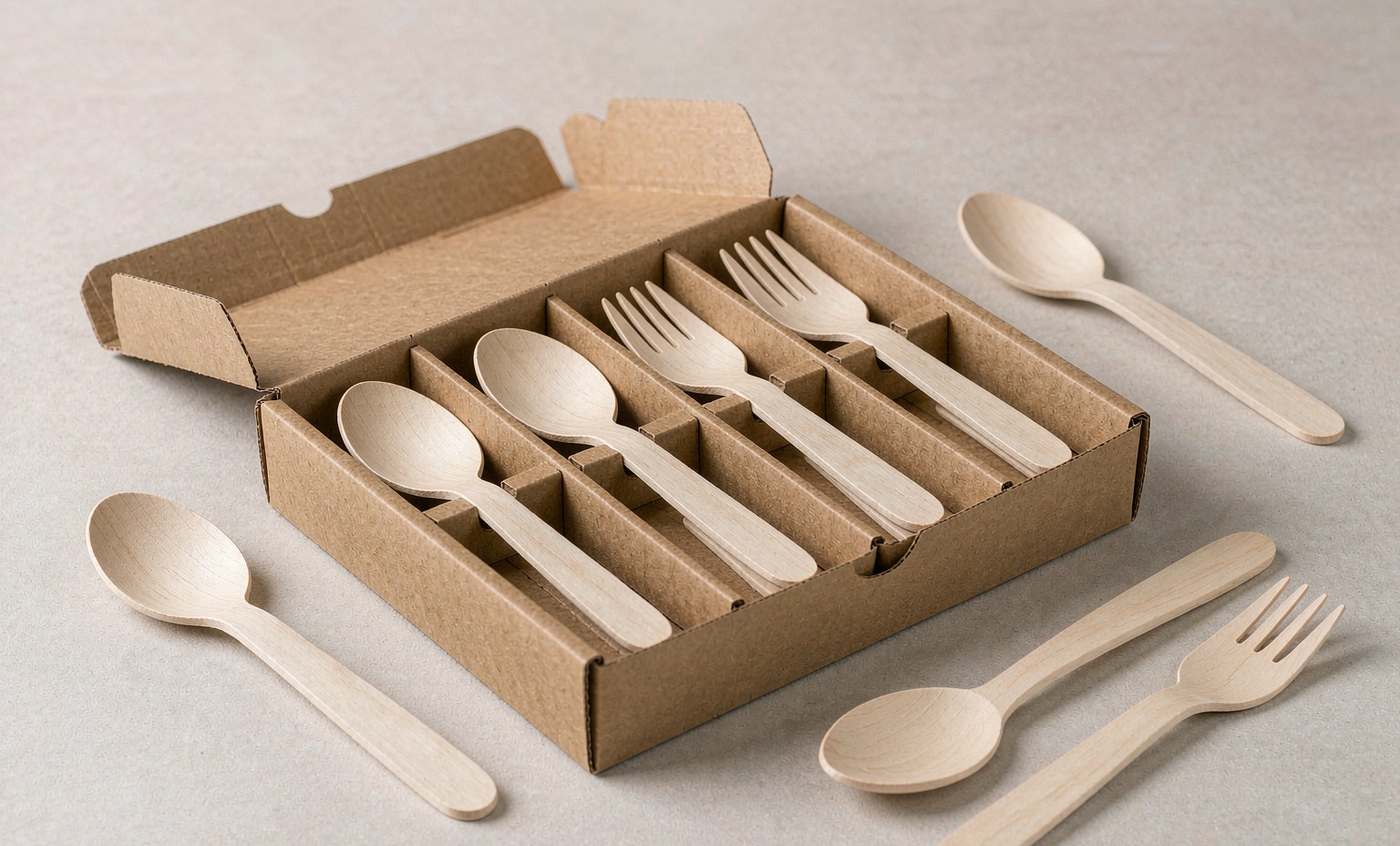
- Wrapped 2-in-1 to 7-in-1 kits: the right model is the one that fits the pack and the machine, not the one that looks best on a plate (see the 2-in-1 wrapped set).
- Long-handled buffet: 160 mm does not reach the bottom of the container.
Choose by task, then read the length. Starting from a length is how a distributor ends up with a warehouse of technically correct spoons nobody wants.
Related Reading
- Wooden cutlery · wooden forks · wooden knife · wooden spork — the hub pages where model pages live
- SP140 wooden spoons — the single most-asked model
- 3-in-1 wooden cutlery set · 2-in-1 wrapped set — kit configuration
If you want the full model-to-length table as a spreadsheet, or a sample box with each piece labelled with its exact code and drawing, tell us which band you are buying for and we will assemble it against your RFQ. Request the chart and a labelled sample box
Why Wood Density and Polishing Time Decide Whether Your Disposable Forks Splinter: A B2B Case Study on Birch Cutlery Specs
Related Article