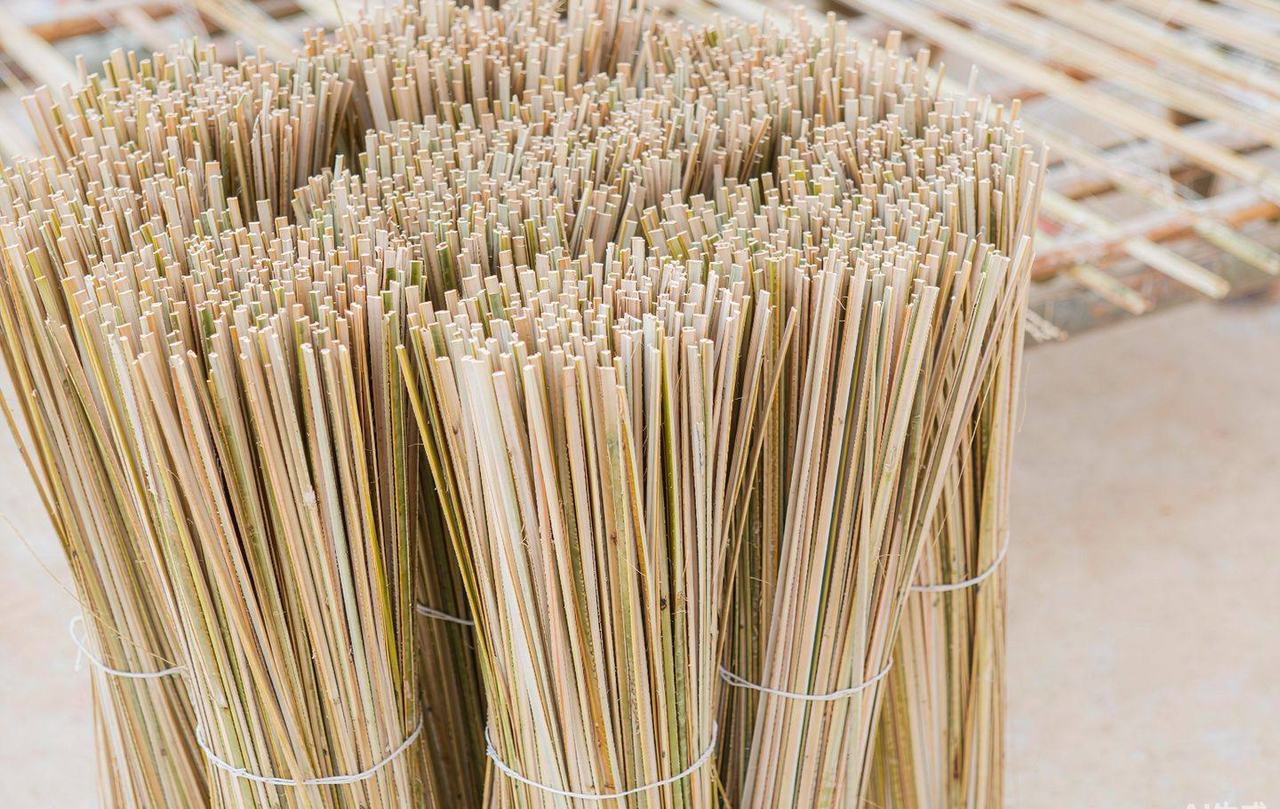
Why Wood Density and Polishing Time Decide Whether Your Disposable Forks Splinter: A B2B Case Study on Birch Cutlery Specs
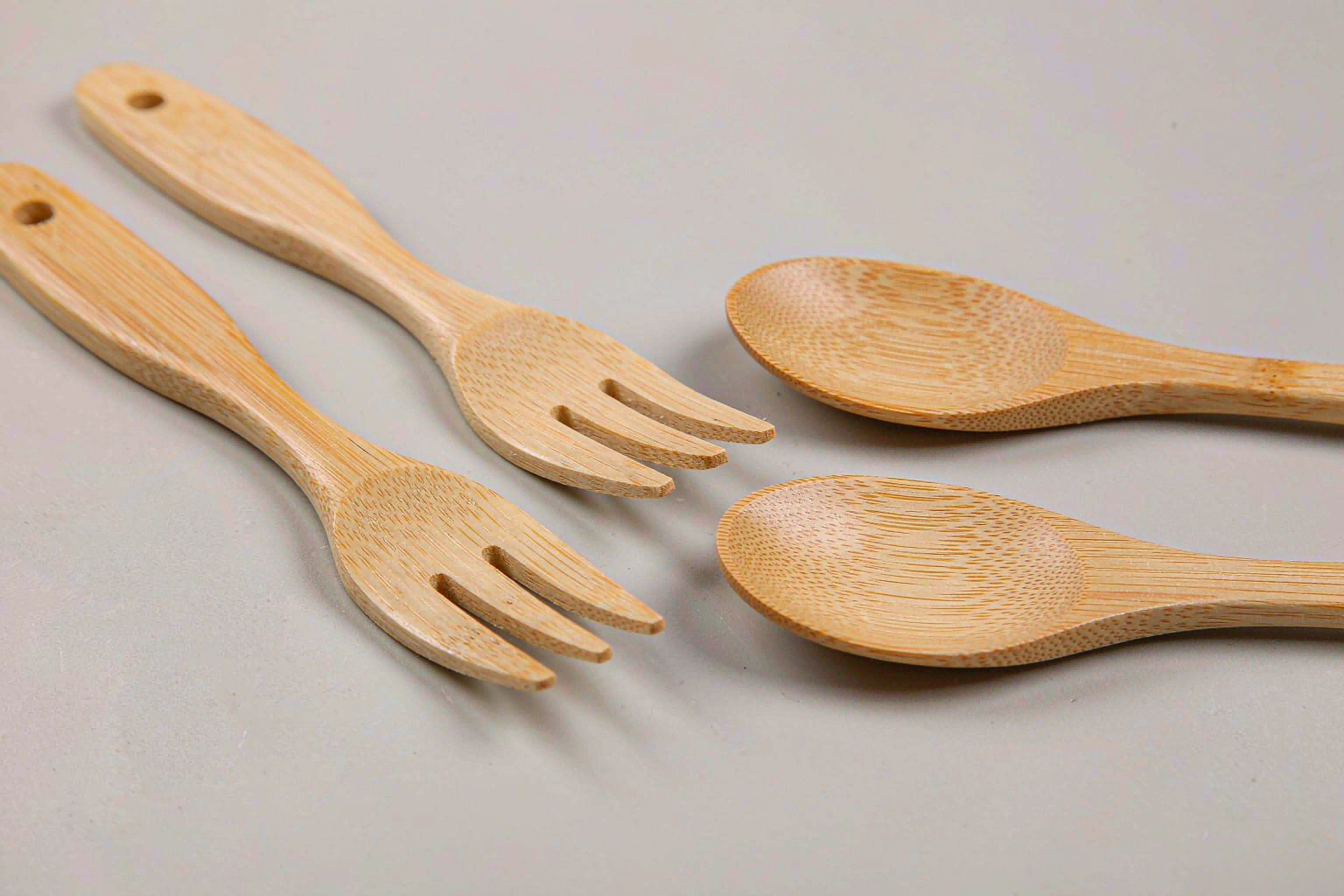
A catering company in Dallas switched from plastic to wooden cutlery for a 500-guest corporate gala in April 2026. The forks looked right in the sample — smooth, natural, environmentally correct. The sustainability story was part of the pitch to the client, and the visual upgrade from white plastic to warm birch was exactly what the event designer wanted.
Two hours into the gala, three guests had splinters in their mouths. The catering manager fielded complaints from two more by dessert. The remaining 400 forks were pulled from service and replaced with emergency plastic forks from the backup supply. The client was unhappy. The sustainability story was dead. The following week, the catering company went back to plastic and told every colleague in the Dallas event industry that wooden cutlery didn't work.
The forks didn't fail because wood is a bad material for cutlery. They failed because the wood was too soft, the polishing was too short, and the moisture was too high — and the purchase order didn't specify the three variables that prevent all three failures. This case study uses the Dallas event as the anchor for understanding what makes a wooden fork splinter, how to test for it, and what to write into a PO so the forks that arrive are the forks that work.
The Challenge: Why Wooden Forks Splinter
The Dallas catering company had ordered 2,000 wooden forks from a budget supplier. The PO specified three things: product type (wooden fork), quantity (2,000), and packaging (bulk). The supplier shipped exactly what was ordered — 2,000 wooden forks in bulk packaging. What the PO did not specify was the wood density, the polishing duration, or the moisture content. Those three variables determine whether a wooden fork splinters or survives a full service.
Low Wood Density
Birch is the standard material for disposable wooden cutlery, and not all birch is equal. Air-dry density ranges from 0.50 to 0.75 g/cm³ depending on growth conditions, harvest age, and drying process.
Below 0.59 g/cm³, the wood fibers are loose. Fork tines cut from low-density birch will separate under lateral pressure — the exact force a guest applies when spearing food. The separation produces the splinter. The Dallas forks were almost certainly cut from birch at the bottom of the density range, because the supplier was competing on price and low-density birch is cheaper.
Between 0.59 and 0.72 g/cm³, the fibers are compact enough to resist lateral separation. The tines hold their shape under normal use. This is the density range that quality cutlery factories specify as their raw material standard.
Above 0.72 g/cm³, the wood becomes brittle. It resists splintering but cracks under bending stress — the fork snaps rather than splinters, which is a different and equally unacceptable failure mode.
The sweet spot is 0.59-0.72 g/cm³. A factory that polishes for 10 hours and controls moisture to zero but starts with 0.54 g/cm³ birch will still produce splinter-prone forks. Density is the foundation — everything else is built on it.
Insufficient Polishing Time
Raw stamped wooden cutlery comes off the die with sharp edges, burrs, and micro-fibers along the cut surfaces. These are removed by tumble polishing — the cutlery is loaded into a rotating drum with abrasive media, and the tumbling action smooths the surfaces.
The duration determines the result. A 2-hour polish removes the worst burrs but leaves micro-fibers along the tine edges and handle. A fork polished for 2 hours will pass a visual inspection in the factory but will produce micro-splinters when a guest's lip drags across the tine. A 10-hour polish removes all burrs, rounds all edges, and leaves a surface that is genuinely smooth — no catching, no splintering, no rough spots.
Quality factories use industrial drum polishers — the Dongcheng KK045 is the industry-standard model — running for a minimum of 10 hours. The drum's rotation speed, the abrasive media selection, and the load ratio all affect the outcome, but the single most important variable is time. The Dallas forks were almost certainly polished for 2-4 hours — enough to look smooth in a sample, not enough to survive a guest's mouth.
Excess Moisture
Wood is hygroscopic — it absorbs moisture from the air. Freshly manufactured cutlery contains moisture from the production process. If that moisture is not driven off before packaging, the sealed bag becomes a humidity chamber.
Moisture above 8% causes two problems. The wood softens — wet fibers separate more easily, producing the same splinter failure as low density. And moisture promotes mold during shipping, particularly in containers passing through tropical climates. Quality factories specify 0% moisture at the point of packaging, achieved through controlled drying followed by immediate sealing in moisture-barrier bags.
The Solution: Three Specs That Prevent Splinters
After the Dallas failure, the catering company's next wooden cutlery order went to a different supplier with a PO that specified seven variables instead of three. The difference was not the supplier — it was the specification.
Spec 1: Material Density
Specify: Birch wood, air-dry density 0.59-0.72 g/cm³. Reject material outside this range.
Verification: Cut one fork tine, measure volume by water displacement, weigh it, calculate density as mass divided by volume. A tine weighing 0.8 g with a displaced volume of 1.2 mL has a density of 0.67 g/cm³ — within range. Below 0.59 g/cm³ indicates below-spec material. This test takes 5 minutes with a precision scale (30) and a graduated cylinder (10).
Spec 2: Polishing Duration
Specify: Minimum 10 hours in industrial drum polisher (e.g., Dongcheng KK045), 0 burrs, rounded edges.
Verification: Drag a cotton ball across the tine edges and handle edges of five randomly sampled forks. If cotton fibers catch on any edge, the polishing was insufficient. A properly polished fork will not catch cotton anywhere on its surface. This takes 30 seconds per fork and requires no equipment. If cotton catches, reject the batch.
Spec 3: Moisture Content
Specify: 0% at point of packaging, verified by moisture meter on receipt.
Verification: Use a pin-type moisture meter (25-50) on five randomly sampled forks from different cartons. The reading should be at or near 0%. Above 5% indicates insufficient drying or compromised packaging seal. High-moisture shipments should be unpacked, re-dried, and re-sealed before distribution — sealed bags with high-moisture cutlery guarantee mold within shelf life.
Commercial Considerations: The Cost of Getting It Wrong vs. Right
A splinter complaint from a catering client costs more than the entire batch of forks. The Dallas gala's direct costs included replacement product, expedited shipping, and event staff overtime — roughly $1,200 for a $600 fork order. The indirect costs — reputation damage, lost client, negative word-of-mouth in the Dallas event community — were larger and longer-lasting.
The cost of getting it right is a PO with seven specification lines instead of three. The density-sorted birch costs 10-15% more than unsorted. The 10-hour polishing costs more in machine time than a 2-hour polish. The 0% moisture and 4-hour fumigation add process steps that budget factories skip. The total premium for a properly specified wooden fork over a poorly specified one is typically 20-30% on unit price.
For a 100,000-fork order, the premium is the difference between a $3,000 invoice and a $3,900 invoice. A single splinter complaint from a high-profile event can cost the caterer ten times that in lost business. The math is not complicated.
The Role of Fumigation in Export Quality
Fumigation is a phytosanitary requirement for wooden products exported to most international markets. Standard fumigation uses methyl bromide or heat treatment to kill insects and larvae, taking a minimum of 4 hours at defined temperature and concentration. A factory that skips fumigation risks customs rejection at the destination port.
The 4-hour fumigation also serves a secondary purpose: the heat exposure drives off residual moisture from the wood's surface layers. A properly fumigated and immediately sealed batch will have a lower moisture reading than one left unpackaged for several days. The fumigation certificate is both a customs document and an indicator of process discipline.
For EU-market compliance, wooden cutlery also falls under EUDR (EU Deforestation Regulation) from December 30, 2026 — birch wood forks require due diligence statements that bamboo products do not. Our factory quality process covers the full compliance chain from raw material sourcing to fumigation certification.
The Purchase Order That Prevents Splinters
A PO that prevents splinters specifies seven things. The Dallas company's original PO specified three.
- Material — birch wood, air-dry density 0.59-0.72 g/cm³
- Polishing specification — minimum 10 hours in industrial drum polisher (e.g., Dongcheng KK045), 0 burrs, rounded edges
- Moisture content — 0% at point of packaging, verified by moisture meter on receipt
- Fumigation — 4-hour fumigation with valid certificate for each shipment
- Surface acceptance criteria — cotton drag test passes on all sampled pieces
- Packaging — sealed moisture-barrier bags, standard automatic sealing, no air gaps
- Production capacity confirmation — factory meets order volume in-house without subcontracting
The last point catches a failure mode most buyers miss. A factory that quotes 20 × 40HQ monthly capacity but fills half through subcontractors cannot guarantee density and polishing specs on every carton. The subcontractor's raw material source and polishing equipment may differ. If the PO specifies factory-direct production only, the supplier is contractually obligated to produce in-house — where the KK045 drum and the density-sorted birch actually exist.
Planning a Switch to Wooden Cutlery?
If your catering company, restaurant group, or distribution business is sourcing disposable wooden cutlery and wants forks that don't splinter, Gorlando Supply manufactures birch wood forks and spoons with density-sorted raw material (0.59-0.72 g/cm³), 10-hour KK045 drum polishing, 0% moisture control, and 4-hour fumigation on every shipment. Monthly capacity exceeds 20 × 40HQ containers with 4 standardized automatic sealing lines producing 50,000 bags daily. Browse our disposable wooden cutlery catalog or explore our birch wood spoon specifications to see the density and polishing standards applied to every product.
For more on how our factory maintains these specs across production runs, visit our about us page or request a quote with your specification requirements.
Bamboo Tableware Pricing: The Raw Material Year Behind Your Quote
Related Article