New eco-friendly tableware
author: David
2024-10-25

Discover the advantages of using eco-friendly bagasse cutlery made from sugar cane pulp.
Bagasse cutlery is an innovative solution that offers a plethora of benefits for both the environment and users. Made from sugarcane pulp, bagasse cutlery is a biodegradable and compostable alternative to plastic utensils. It's heat-resistant, sturdy, and lightweight, making it an ideal choice for restaurants, catering events, and home kitchens. Bagasse cutlery is affordable, safe, and has no harmful chemicals or toxins. Plus, it reduces waste and supports sustainable practices. When you choose bagasse cutlery over traditional plastic utensils, you are making a positive impact on the planet and promoting a greener future. Try bagasse cutlery today and experience the difference it can make!

A woman named "Sugarcane Queen" was born in India. She used sugarcane bagasse to create a million dollar business and became the local "cash cow". It sounds incredible, but how did she do it? The queen's name is Weng Sala, and she has opened a small shop in her hometown to turn excess sugarcane bagasse into treasure.
Through years of exploration, she has developed a unique "bagasse sugar technology" that processes bagasse into delicious candies and biscuits, which is deeply loved by the local people. And her business is becoming increasingly successful, not only becoming a well-known brand locally, but also going abroad and becoming one of India's representative industries.
What made this queen's creativity so successful? Is it her persistence, her attention to small details, or her spirit of continuous innovation? What experiences and lessons can we learn from her? Next, we will explore one by one, explore this successful case together, and see if we can draw inspiration from it.
Utilization of bagasse as bioenergy in India
India is one of the largest sugarcane growing countries in the world, with a huge amount of sugarcane production and residue. Traditionally, sugarcane bagasse has been used as livestock feed, fertilizer, and as a land improvement agent. However, with the increasing demand for renewable energy, using sugarcane bagasse to produce biofuels has also become a feasible option.
Sugarcane bagasse can be converted into biofuels, such as bioethanol and biodiesel. According to estimates from the Indian Energy Technology Development Organization, India produces approximately 60 million tons of sugarcane bagasse annually. If these bagasse can be fully used for the production of biofuels, it will generate 270 billion rupees in revenue for India.
Biofuels can not only reduce dependence on fossil fuels, but also reduce their impact on the environment. In India, many villages lack electricity. If sugarcane bagasse can be used to produce biofuels, it will greatly improve the energy supply of these villages while reducing their environmental impact.
The process of producing biofuels poses certain challenges, such as selecting appropriate technologies and equipment, obtaining funding, and providing appropriate policy support. But if these challenges are overcome, India will become a leader in the production of biofuels.
The government can take various measures to promote the development of biofuel production. One measure is to provide financial and tax incentives for enterprises producing biofuels. In addition, the government can also formulate appropriate policies to promote the production and use of biofuels.
Utilization of sugarcane bagasse as animal feed in India
India is a country with huge food production, but its agricultural waste is also increasing, with sugarcane bagasse being a common type. And sugarcane bagasse can be used to make animal feed through reasonable utilization, which can bring various benefits.
Using sugarcane bagasse as animal feed can effectively solve the problem of feed supply. In India, many sugarcane farmers throw sugarcane bagasse on the roadside or in the fields because they have no better use for these bagasse plants. By utilizing these sugarcane bagasses, farmers can gain more profits and alleviate the shortage of animal feed supply. In addition, sugarcane bagasse can also play an important role as emergency feed in emergency situations.
Sugarcane bagasse as animal feed can help improve the health level of animals. Sugarcane bagasse is rich in energy and fiber, which can help livestock digest and maintain their health levels. In addition, sugarcane bagasse is also rich in vitamins and minerals, which can meet the energy needs of animals while providing necessary nutrients. Therefore, using sugarcane bagasse as animal feed can help farmers reduce feed costs while improving animal yield and quality.
The utilization of sugarcane bagasse also contributes to environmental protection. Sugarcane bagasse is a large amount of agricultural waste that, if not properly treated, may cause environmental problems such as soil erosion and land pollution. Using sugarcane bagasse as animal feed can effectively utilize it and reduce the risk of environmental pollution.
The utilization of sugarcane bagasse as animal feed can also bring economic benefits. By utilizing waste, farmers can gain more economic benefits and improve their living standards. At the same time, the animal feed market also has broad prospects, which can create more opportunities for the local economy and employment.
Utilization of sugarcane bagasse as biomass products in India
As a developing country, India has abundant agricultural resources. Among them, sugarcane is one of the most important cash crop in the country. It is not only a source of sweets and drinks, but also can provide biomass raw materials and other economic benefits. However, sugarcane bagasse produced in sucrose production has been regarded as waste for the past few decades. However, with increasing attention to environmental protection, the production of biomass products using sugarcane bagasse has become an emerging trend in this field.
Sugarcane bagasse is a sustainable and green biomass raw material. Unlike other biomass sources, it can be produced on the basis of existing facilities in sugarcane processing plants, thereby reducing energy consumption and environmental pollution during the production process. Sugarcane bagasse can be used to manufacture various biomass products, such as fiber, wood pulp, carbohydrates, and sugar based biomass. These products can not only be directly applied in production, but also be used to produce other products such as textiles, paper, food additives, and biofuels.
The utilization of sugarcane bagasse is not only beneficial to the environment and economy, but can also play a positive role in society. Due to India's large population, many people still live below the poverty line. The production of biomass products can provide employment opportunities for these people, thereby improving their income and quality of life. This development model will enable India to achieve industrial upgrading and social improvement goals in sustainable development.
Although the current development is still in its infancy, the utilization prospects of sugarcane bagasse are very promising. In order to promote the development of this direction, the government should introduce supportive policies to incentivize enterprises and investors to invest in this field. At the same time, scientists should further study and improve the production process, improve production efficiency and product quality. In the future, this field will bring immeasurable economic and social benefits to India.
A must for coffee lovers
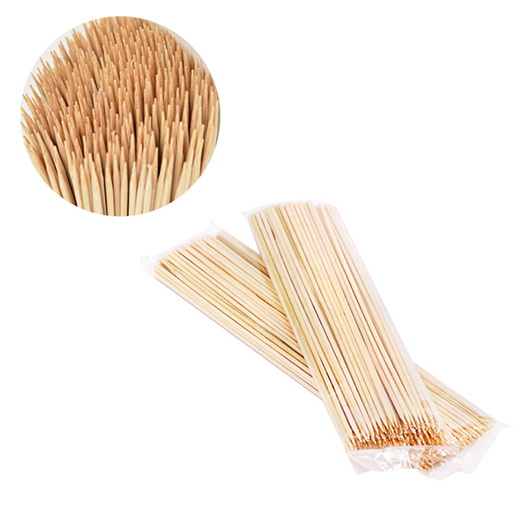
Bamboo barbecue skewers: a new choice for environmentally friendly and healthy barbecue