Bamboo Teppo Skewers Gain Traction Among Bulk Buyers

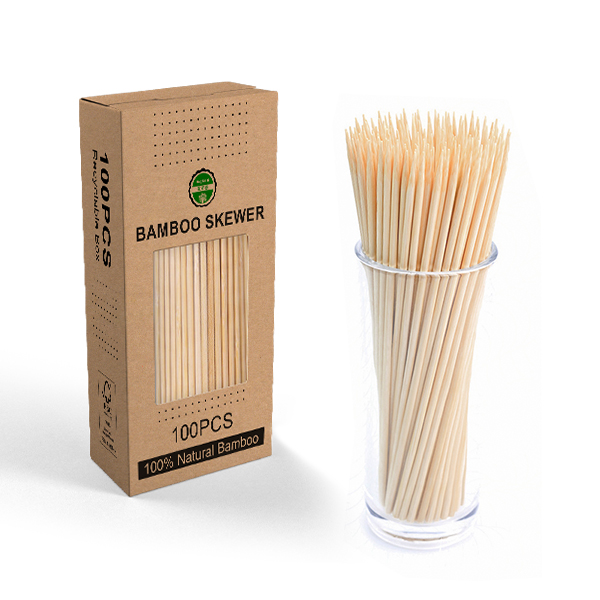
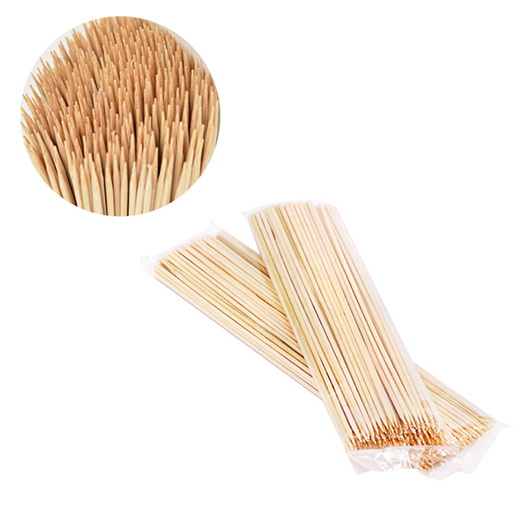
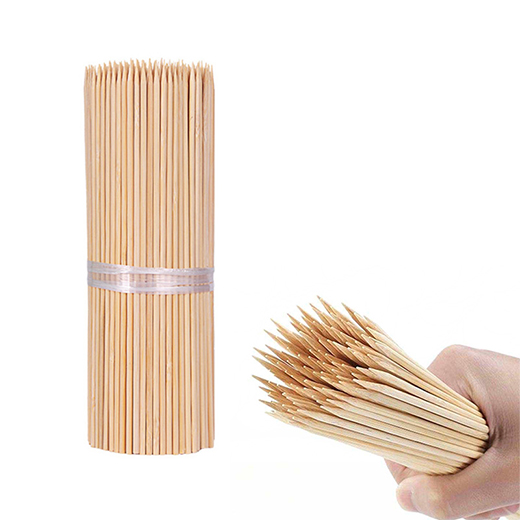
Internationally, the teppo skewer is becoming a preferred choice due to its eco-friendly nature and durability. Its natural bamboo material is biodegradable, reducing the impact on the environment. Bulk buyers are attracted to this sustainable aspect, as well as the cost-efficiency offered by these reusable skewers.
The Impact of U.S. Tariffs on Chinese Products
The imposition of tariffs by the United States on Chinese goods has been a significant aspect of the ongoing trade tensions between the two economic superpowers. Since 2018, the U.S. has imposed multiple rounds of tariffs on billions of dollars worth of Chinese imports of bamboo skewers,bamboo sticks,bamboo teppo skewer, citing unfair trade practices, intellectual property theft, and national security concerns. These tariffs have had far-reaching effects on both economies, global supply chains, and businesses that rely on Sino-American trade.
1. Direct Impact on Chinese Exporters
The most immediate effect of U.S. tariffs has been increased costs for Chinese manufacturers. Many products, including electronics, machinery, textiles, and steel, now face additional duties ranging from 10% to 25%, making them less competitive in the U.S. market. Some Chinese firms have absorbed part of the cost, reducing profit margins, while others have passed the burden onto American consumers, leading to higher retail prices.
Small and medium-sized enterprises (SMEs) in China have been particularly vulnerable, as they lack the financial flexibility to adjust to sudden tariff hikes. Some have been forced to diversify their markets, shifting focus to Europe, Southeast Asia, or Africa to mitigate losses.
2. Supply Chain Disruptions
Many U.S. companies rely on Chinese suppliers for raw materials and intermediate goods. Tariffs have disrupted these supply chains, forcing businesses to either absorb higher costs or seek alternative suppliers in countries like Vietnam, India, or Mexico. While this has benefited some emerging economies, it has also led to increased production delays and logistical challenges.
3. Shift in Manufacturing & Foreign Investment
To avoid tariffs, some multinational corporations have relocated production out of China. Apple, for example, has moved some iPhone assembly to India, while other firms have expanded operations in Southeast Asia. However, China remains a critical manufacturing hub due to its advanced infrastructure, skilled labor, and economies of scale, making a full-scale exodus unlikely.
4. Retaliatory Measures & Trade War Escalation
China has responded with its own tariffs on U.S. goods, particularly agricultural products like soybeans and pork, hurting American farmers. The trade war has also led to reduced bilateral trade volumes, though both countries remain heavily interdependent.
5. Long-Term Economic Consequences
While tariffs were intended to protect U.S. industries, they have also contributed to inflation, particularly in sectors like electronics and automobiles. Meanwhile, China has accelerated efforts to boost domestic consumption and reduce reliance on exports, investing in high-tech industries like semiconductors and electric vehicles.
Conclusion
U.S. tariffs on Chinese goods have reshaped global trade dynamics, forcing businesses to adapt to higher costs and supply chain uncertainties. While China’s export sector has faced challenges, the country is diversifying its economy and exploring new markets. The long-term impact will depend on whether both nations seek negotiated solutions or continue down a path of economic decoupling.
The 2024 Hong Kong Fashion Homewares Fair (Home InStyle)
Eco-Friendly Wooden Cutlery Gains Momentum for Bulk Buyers