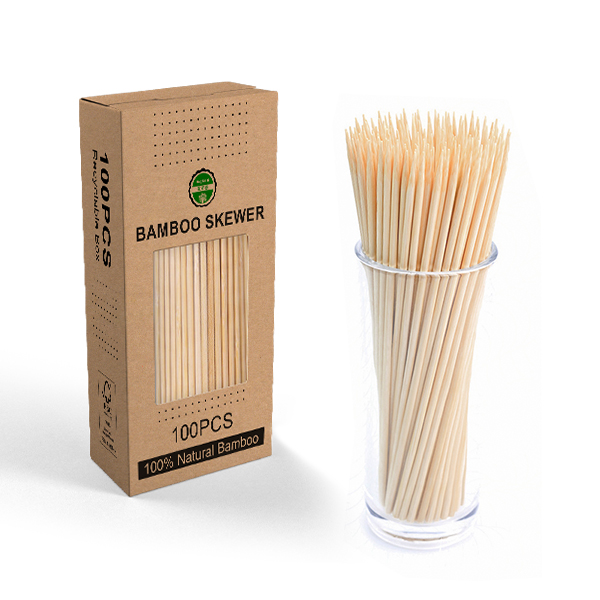
High-Strength Splinter-Free Bamboo Skewers: B2B Procurement & Polishing Guide
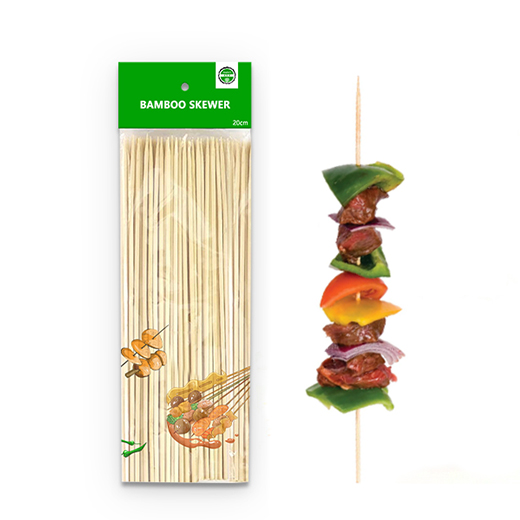
On automated meat skewer production lines, the costliest hidden operational loss isn't machinery maintenance—it's production line downtime caused by cheap skewers bending and jamming automatic skewer machines. For commercial BBQ chains, a single food safety complaint stemming from a bamboo splinter injuring a customer’s mouth can destroy years of brand reputation. How can food processing plants and restaurant chains source high-flexural, splinter-free bamboo skewers with zero performance flaws? With 16+ years of specialized bamboo tableware manufacturing experience, Gorlando reveals the industrial procurement criteria and precision manufacturing processes that protect your bottom line.
1. Top 3 B2B Sourcing Pain Points in the Skewer Industry
-
Frequent Automatic Skewer Machine Jams & Line Downtime Low-grade skewers suffer from poor straightness (tolerances exceeding ±1.0mm) and weak flexural density. When automated mechanical arms insert skewers at high speeds, curved or weak sticks snap instantly, causing machine jams and expensive factory downtime.
-
High-Heat Grilling Fractures & Splitting Skewers made from young bamboo or improperly dried stalks carry low fiber density and uncalibrated moisture content. Under 300°C+ charcoal heat, moisture expands rapidly, causing skewers to split, snap, and drop premium meat cuts into the fire.
-
Micro-Splinter Injuries & Legal Liabilities Roughly polished skewers retain microscopic splinters on their surface. These break meat fibers during automated skewering and pose severe choking and oral injury risks for end consumers, leaving brands exposed to costly liability claims.
2. The Gorlando Engineering Standard: Crafting Zero-Splinter, Ultra-Durable Skewers
Gorlando implements a rigorous 4-step quality control system to eliminate line jams and surface burrs:
-
Raw Material Standard: 100% 5-Year Moso Bamboo (Bottom Stalks) We strictly bypass 1-2 year young bamboo and top branches. By sourcing only the lower sections of 5-year mature Moso bamboo, we utilize fibers with 40% higher natural flexural strength, guaranteeing superior bending resistance.
-
24-Hour Deep Steaming & 8–12% Precision Moisture Control Our deep-steaming process eradicates mold spores, while automated thermal-cycle kilns lock moisture within the optimal 8%–12% threshold. This prevents mold growth during maritime shipping while preventing splintering under high-heat roasting.
-
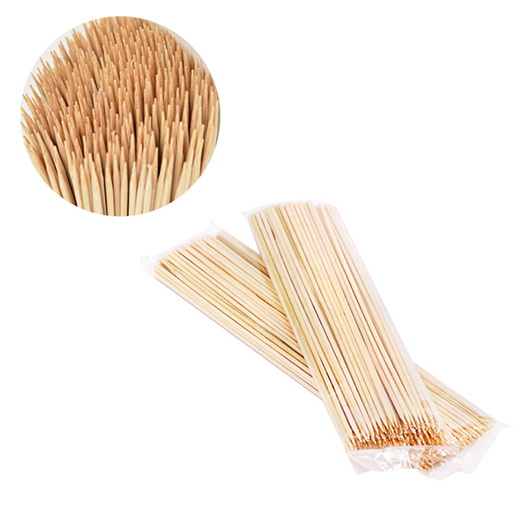
Multi-Stage Tumbling Polishing Technology Moving beyond single-pass tumbling, Gorlando employs proprietary multi-stage automated tumbling for several hours. Skewers rub continuously against each other, grinding away microscopic splinters to yield a 360° ultra-smooth finish.
-
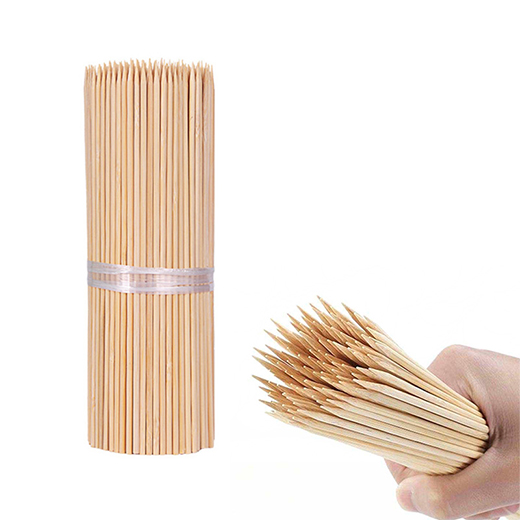
Optical AI Sorting & Strict ±0.5mm Tolerance Limits Advanced optical sorting machines automatically remove bent, discolored, or defective sticks. By holding length and diameter tolerances to within ±0.5mm and straightness to ≥99.5%, our skewers integrate seamlessly with high-speed pneumatic skewer machines.
3. Industrial Bamboo Skewer Quality Comparison Matrix
| Inspection Metric | Market Commodity Skewers | Gorlando Industrial Standard | Operational Impact on Food Plants |
| Bamboo Age & Fiber | 1-2 Year Young Bamboo | 5-Year Moso Bamboo (Lower Stalk) | Determines bending resistance & tensile toughness |
| Moisture Content | >15% (High mold/fracture risk) | 8% - 12% (Calibrated Range) | Prevents sea-freight mold and grilling explosion |
| Surface Finish | Single rough tumble (high splinters) | Multi-Stage Precision Tumbling | Ensures 0 micro-splinters; protects machinery & diners |
| Dimensional Tolerance | ±1.0mm - ±2.0mm | ≤ ±0.5mm Control | Loose tolerances cause frequent skewer machine jams |
| Machine Compatibility | < 85% (Requires manual intervention) | ≥ 99.5% (Automated-Ready) | Maximizes line throughput and lowers labor costs |
4. On-Site Inspection Checklist for B2B Purchasing & Quality Control
Quality assurance teams can use this 4-step field checklist to inspect incoming shipments:
-
[ ] 1. Flexural Elasticity Test: Take a 20cm skewer and apply force with both hands. A compliant skewer should bend up to 30° without snapping. Brittle snapping below 15° indicates substandard raw materials.
-
[ ] 2. Micro-Splinter Friction Test: Slide a gloved hand or thin tissue along the full length of the stick under pressure. Any snagging signals unacceptable surface burrs.
-
[ ] 3. Pin-Type Moisture Test: Use a calibrated moisture meter on 10 random sticks per lot. Readings must consistently register between 8% and 12%.
-
[ ] 4. High-Speed Feeder Test (For Food Plants): Load test samples into automated skewering machinery for a 1,000-cycle test run. The malfunction/jam rate must stay below 0.1%.
5. Frequently Asked Questions (FAQ)
Q1: Why is ultra-dry bamboo (moisture content below 5%) bad for automatic skewering? Answer: Over-dried bamboo loses its natural fiber elasticity, rendering the skewer extremely brittle. Gorlando’s 8%–12% moisture range represents the scientifically proven sweet spot—dry enough to inhibit mold growth, yet flexible enough to prevent snapping under mechanical strain.
Q2: Can Gorlando customize packaging for specialized skewer machine hoppers? Answer: Yes. For automated food processing operations, we provide Bulk Industrial Packing, moisture-proof vacuum master packs, and oriented aligned packaging so robotic arms can load skewers directly into hoppers without manual sorting.
Q3: How do you guarantee zero mold during long ocean freight transits? Answer: In addition to 24-hour steaming and strictly maintaining 8–12% moisture, every Gorlando master carton includes industrial desiccant packs. We also offer sealed container moisture-prevention protocols, ensuring shipments arrive factory-fresh after 30-45 days at sea.
Conversion Hook / Call to Action
Stop letting sub-par skewers derail your automated production and brand safety! With dedicated Moso bamboo forests and automated production lines, Gorlando exports over 20×40HQ containers monthly to global food manufacturers and restaurant chains.
Carbonized Bamboo Chopsticks: B2B Freight Guide to Beating Sea Transport Mold
Square Bamboo Toothpicks vs Round: Why Geometry Dictates Penetration Force in Commercial Kitchens