Bamboo: A Versatile and Sustainable Natural Resource
Nestled in the lush green hills and valleys of China, bamboo thrives in a unique ecological niche, stretching from the southern reaches of the Qinling Mountains and Huai River Basin to the southernmost tip of Hainan and beyond. This resilient plant is a testament to nature's bounty, growing abundantly in provinces like Guangdong, Guangxi, Fujian, Jiangsu, Zhejiang, Anhui, Hunan, Jiangxi, Guizhou, Sichuan, and Hubei.
The bamboo's preferred habitat is damp, shady, and sheltered, yet its adaptability allows it to thrive in a variety of soils. It prefers loose, well-aerated, and fertile ground, yet its roots find sustenance even in less than ideal conditions. Its growth is augmented by regular watering and indirect sunlight, ensuring that its leaves can perform photosynthesis efficiently.
What sets bamboo apart is its remarkable resilience and strength. Its fibrous structure boasts a hardness and intensity that surpasses many natural materials, with an compressive strength greater than steel by over 20%. This, coupled with its inherent elasticity, makes bamboo resilient against natural disasters like storms and earthquakes. This natural elasticity also finds expression in musical instruments like flutes and xiao, producing melodies that are both harmonious and enchanting.
Beyond its natural qualities, bamboo is also prized for its environmental sustainability. It matures in a mere three to five years, far faster than most trees, making it a renewable resource with a low carbon footprint. Its cultivation requires no chemicals like fertilizers or pesticides, minimizing its impact on the environment.
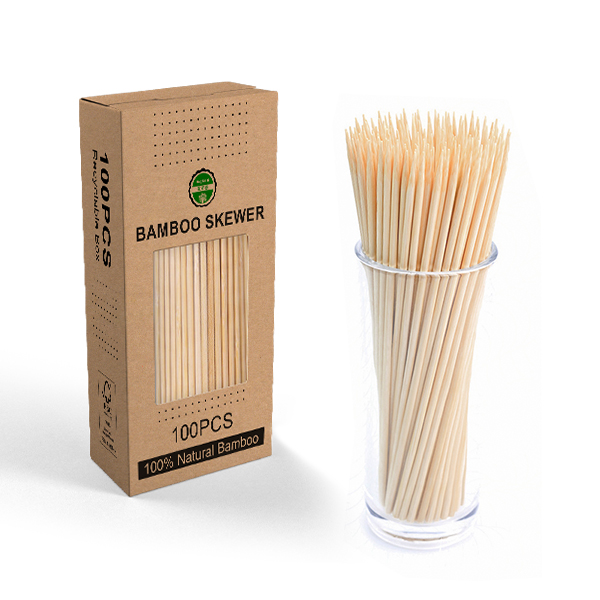
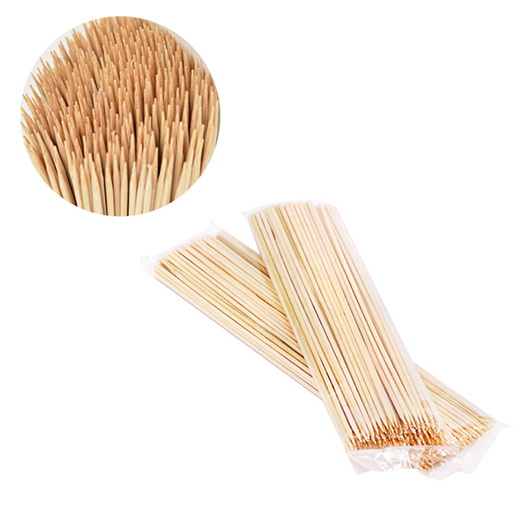
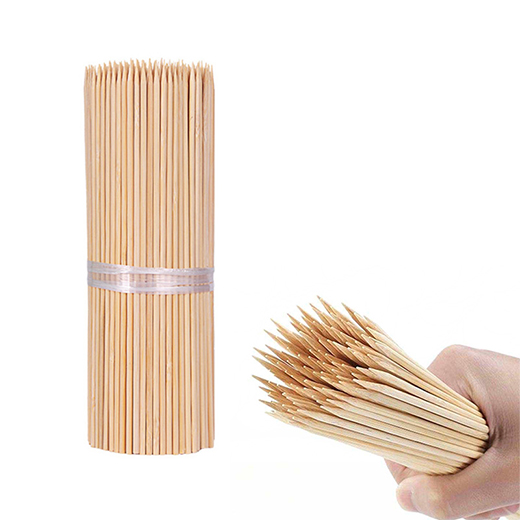
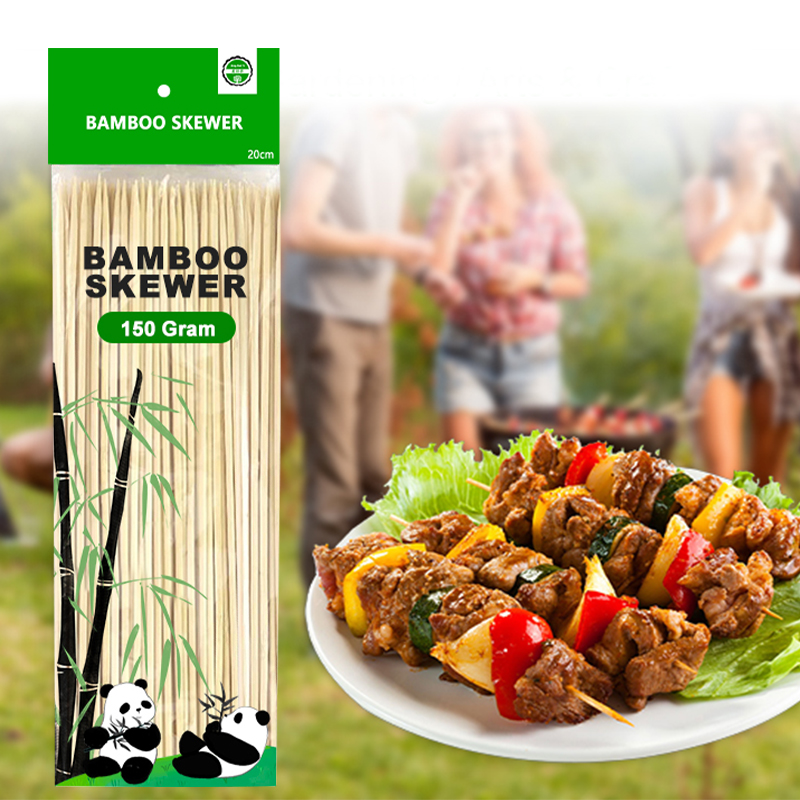
And speaking of bamboo's versatility, it finds its way into our daily lives in numerous forms. Take, for instance, the humble bamboo skewer and chopsticks. These seemingly simple objects are a testament to bamboo's utility and elegance. The bamboo skewer, often used for cooking and grilling, is a practical tool that combines strength with lightness. The bamboo chopsticks, on the other hand, are a cultural icon, a symbol of Chinese dining traditions that have been passed down through generations.
The chopsticks, with their sleek and elegant design, are not just a tool for eating but also a representation of harmony and balance in Chinese culture. They require finesse and skill to use, a testament to the precision and delicacy of Chinese cuisine. And while chopsticks are made from various materials, bamboo chopsticks stand out for their natural beauty and sustainability.
In conclusion, bamboo is not just a plant; it's a multifaceted resource that offers a blend of strength, elegance, and sustainability. From its rich ecological habitat to its myriad uses, bamboo is a natural wonder that deserves our attention and appreciation. As we continue to explore its potential, bamboo will undoubtedly play a pivotal role in our quest for a more sustainable future.
Russian Music Hall Struck by Terrorist Attack, Prompting Deep Condolences from Around the World
Environmentally friendly and healthy choices